Visual Storytelling In Hip-Hop, Fashion & Film: Culture Through A Lens
Visual Storytelling In Hip-Hop, Fashion & Film: Culture Through A Lens
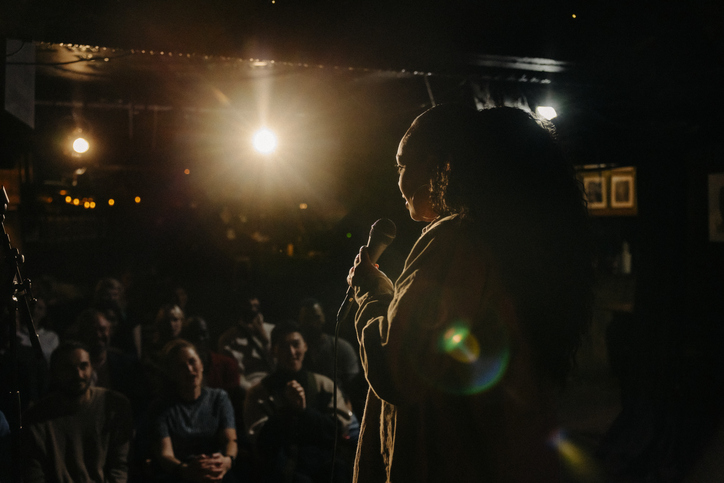
Visual storytelling does not just support culture. It helps create it. In hip-hop, fashion, and film, one striking image can define an era, shape identity, and leave a deeper mark than words alone.
A powerful photo, a signature outfit, or a memorable film scene can change how people see themselves and the world around them. Across these creative spaces, visual storytelling drives the cultural impact in media by turning style, emotion, and perspective into something instantly recognizable and deeply influential.
Audiences often respond to visuals before they study lyrics or design choices. Directors, photographers, stylists, and artists understand that power. They build worlds that communicate glamour and belonging.
In culture-first spaces, visual language matters because trends move fast, but unforgettable imagery lasts.
What Is Visual Storytelling in Hip-Hop, Fashion, and Film?
Visual storytelling is the use of imagery to express emotion, identity, and meaning without relying only on words. In hip-hop, it appears in:
- Album covers
- Music videos
- Stage design
- Portraits
- Street photography
In fashion, it lives in the following references:
- Silhouette
- Styling
- Color
- Movement
- Cultural
In film, it works through:
- Costume
- Lighting
- Framing
- Pacing
- Setting
Each medium speaks differently, yet the goal stays similar. Creatives use image-based decisions to guide how audiences interpret:
- Power
- Authenticity
- Mood
Strong storytelling techniques help people understand not only what they are seeing, but also why it matters.
How Does Visual Storytelling Shape Culture and Identity?
Culture becomes visible through repeated images. Hip-hop photography has long shown that style is not surface-level decoration. Work centered on street life and Black communities has documented clothing, posture, and setting as signals of:
- Pride
- Survival
- Self-definition
Fashion writers continue to note that style grows from history, community, and social change rather than from trends alone. Visual patterns often become shared markers that help people recognize:
- Community
- Memory
- Belonging
Over time, those images shape how groups see themselves and how the wider public understands them.
Film deepens that process by giving images duration and emotion. A well-designed scene can turn a jacket, hairstyle, or color palette into a cultural memory. Hip-hop visual culture and cinema both show how people use appearance to:
- Claim space
- Tell the truth
- Build lasting identity
Now let’s see how hip-hop, fashion, and film each use visuals to:
- Shape culture
- Influence style
- Leave a lasting mark
Hip-Hop Made the Street a Stage
Hip-hop has always understood the power of the image. Photography around the culture did more than record artists and neighborhoods. It framed the style as biography.
Visual work tied to hip-hop also carries educational and social purpose. Programs like “My Camera Is My Weapon” show how film and photography can help young creators use media for:
- Activism
- Memory
- Community voice
Artistic expression media is powerful when it gives underrepresented people control over their own image.
Fashion Turns Identity Into a Public Language
Fashion tells stories before anyone speaks. Fabric, fit, accessories, and styling choices all communicate:
- Class
- Mood
- Heritage
- Aspiration
- Resistance
Cultural fashion coverage often points to the same truth: Clothing grows from people, place, and history. A few elements often carry the message:
- Color choices that signal emotion or affiliation
- Silhouettes that suggest confidence, softness, or authority
- Accessories that connect a look to music, region, or era
- Styling that blends nostalgia with present-day relevance
Film fashion influence remains so strong for that reason. Audiences do not only admire memorable looks. They do the following:
- Borrow them
- Remix them
- Make them part of real life
Film Makes Images Last Beyond the Screen
Film combines music, styling, movement, and camera language into one emotional package. Costume design can reveal this in seconds:
- Character growth
- Social position
- Inner conflict
Lighting can make a figure feel:
- Dangerous
- Glamorous
- Isolated
- Untouchable
Framing can turn a performer into a myth.
Entertainment media also proves that niche visual interests can grow into larger cultural conversations when audiences respond to a gap in coverage. Even specialized film platforms have shown how image-based fascination can shape broader entertainment habits.
For creators seeking polished visual work for editorials, portraits, or branded shoots, Anytime Picture reflects how professional imagery continues to support modern cultural storytelling.
Frequently Asked Questions
Why Do Music Videos Matter So Much in Hip-Hop?
Music videos give artists a faster path to world-building. Sound introduces the message, while visuals define:
- The atmosphere
- Symbols
- Status markers around it
A strong video can expand an artist’s identity far beyond a single track by showing fashion choices, neighborhood ties, choreography, and cinematic references that fans instantly recognize and share. Strong visuals also help songs travel farther across platforms and stay memorable longer.
They also give artists more control over how their image is interpreted in a crowded media space. In many cases, a memorable music video becomes just as culturally important as the song itself.
How Does Costume Design Affect the Way People Remember Films?
Costume design gives viewers a visual shortcut into personality and conflict. Audiences often remember a character’s coat, jewelry, or color palette before they recall exact lines of dialogue.
Repeated exposure then pushes those looks into pop culture, where they influence retail trends, styling choices, and even beauty standards long after the credits roll. Costume choices often become part of a film’s legacy because they make characters easier to identify and remember.
Can Photography Preserve Culture Without Reducing It to Nostalgia?
Yes, when the image is grounded in respect, context, and community. Photography preserves culture well when people are shown with agency rather than as props or stereotypes.
Honest visual archives record:
- Everyday style
- Gestures
- Spaces
- Relationships
Later generations can then study those details as living history instead of flattening them into a romantic memory. Careful visual documentation can also protect stories that might otherwise be overlooked or erased.
Explore More on Visual Storytelling
Visual storytelling remains one of the strongest forces in modern culture because it connects image with meaning. Hip-hop, fashion, and film continue to shape how people see beauty, identity, power, and belonging.
Explore more of our guides and articles on our website to keep up with the visuals, voices, and cultural shifts shaping the moment.